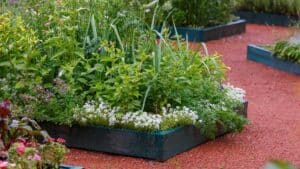
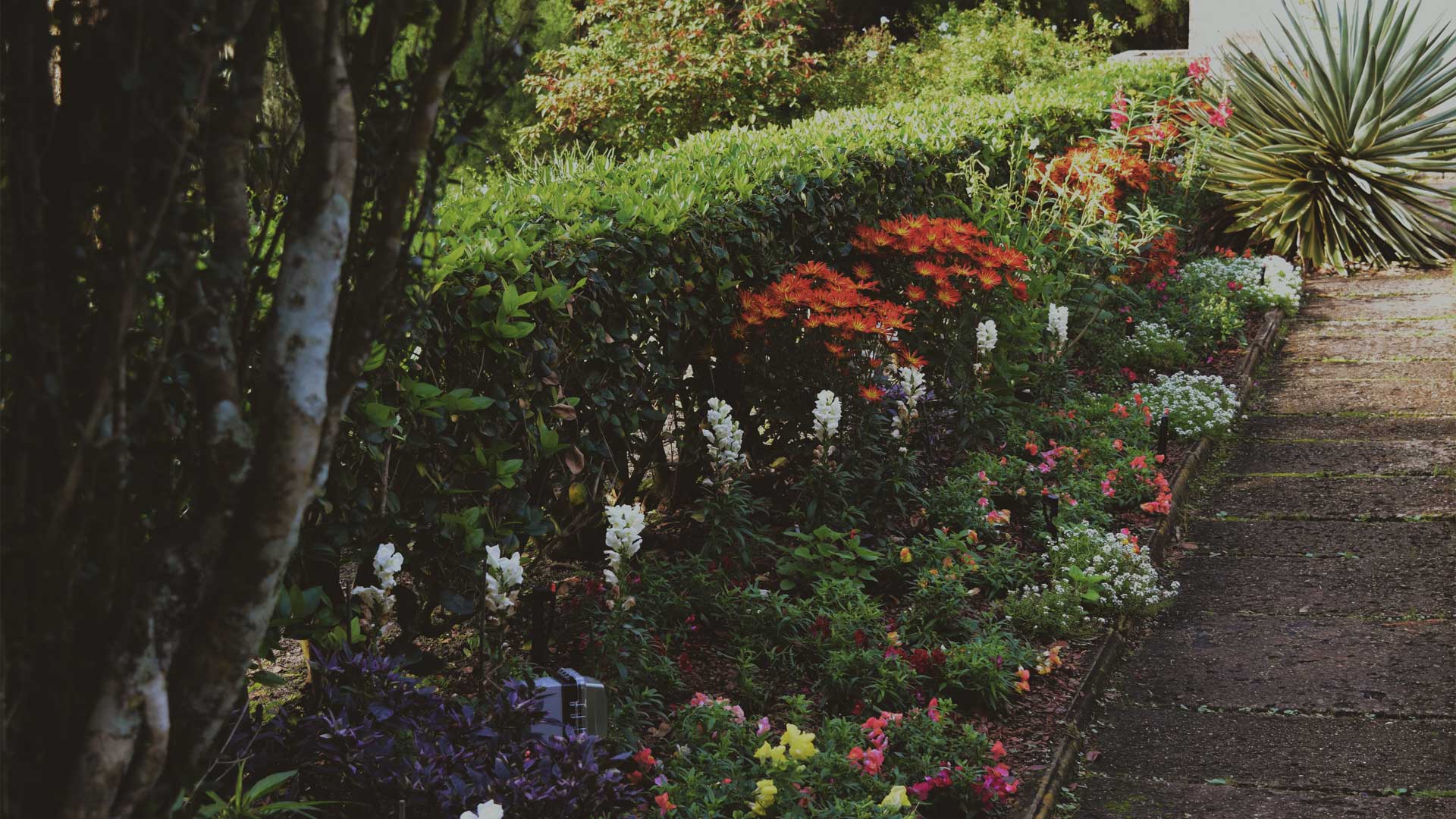
We all have that shady corner in the yard where it’s hard to know what to plant. Here’s a selection of annual flowers that will help you create a colorful and inviting shade garden. Don’t hesitate to mix in some foliage plants for a unique effect in your outdoor space.
Annuals are always a safe bet, even if they do need to be replanted each year. Before planting, make sure to prep your soil by adding compost to improve structure and fertility. Keep in mind that shaded areas tend to retain moisture longer, so moderate watering is key to avoid waterlogging. Many annuals also thrive in pots and hanging baskets.
When planting, follow spacing guidelines for each species to ensure good air circulation and prevent disease. As for maintenance, remove spent flowers regularly to encourage new blooms, and keep an eye out for pests or disease.
Shade-loving flowers
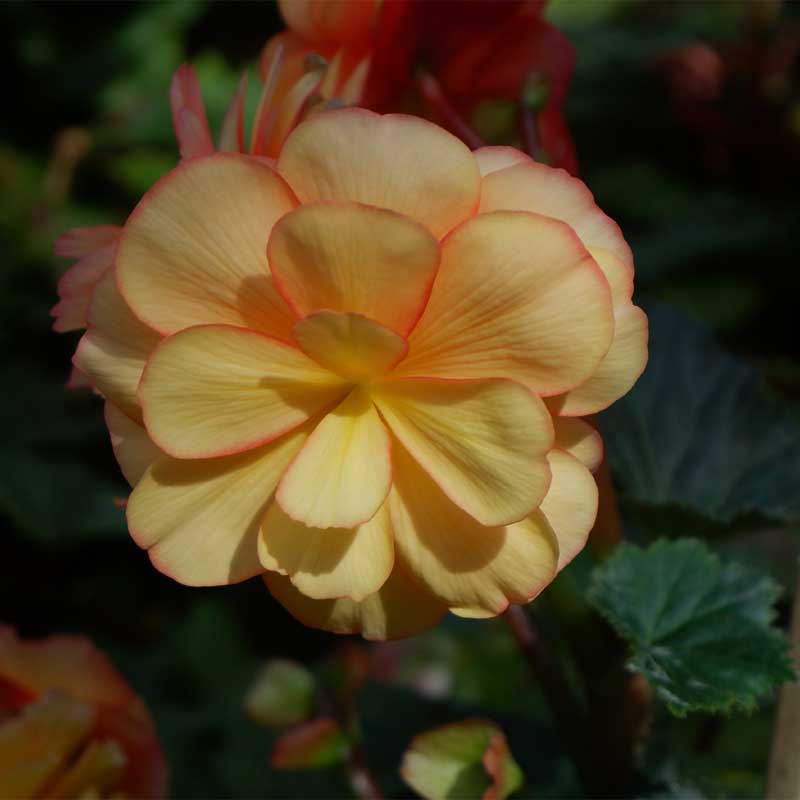
Tuberous begonias are a classic garden favorite thanks to their lush blooms and ornamental foliage. They come in a variety of colors—red, pink, white, or orange—and are especially well-suited to shaded areas. Begonias look stunning in both garden beds and containers.
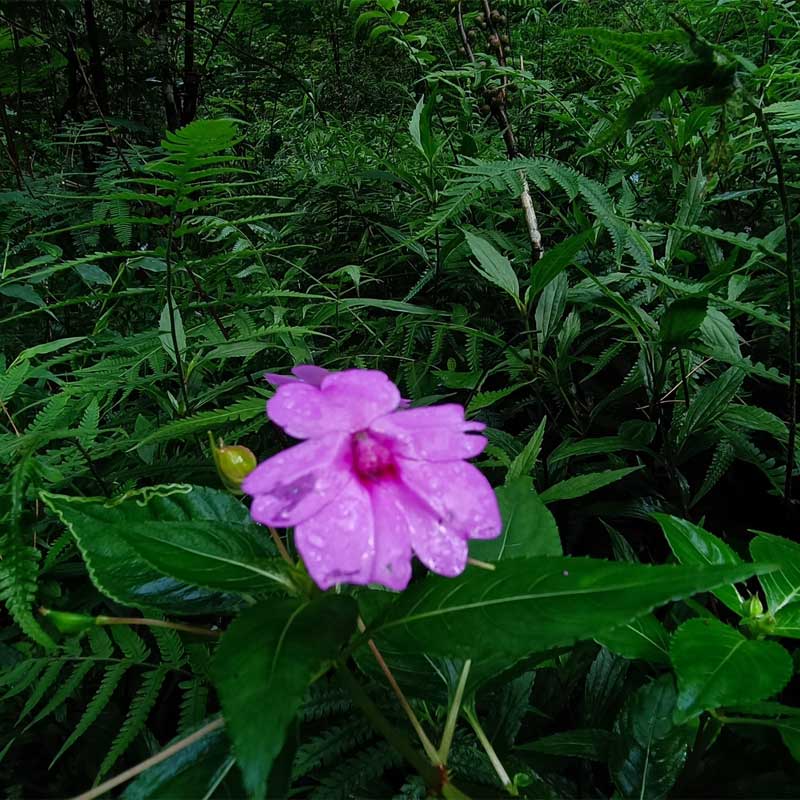
Impatiens are another top choice for shady zones. They bloom generously in vibrant colors ranging from white to red to purple. They prefer rich, organic soil and consistent moisture. However, be mindful of fungal diseases, which are relatively common—proper airflow around the plants helps prevent this.
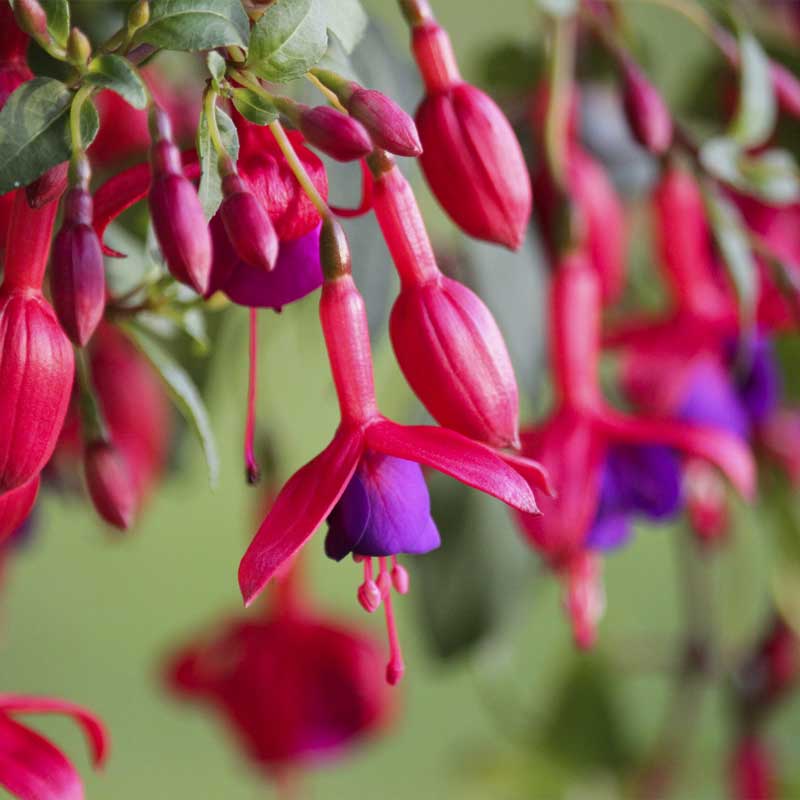
Fuchsia is beloved for its hanging, bicolored flowers, usually in shades of red and purple. It thrives in cool, shady spots with well-drained soil. Keep the soil evenly moist and feed regularly to encourage profuse flowering.
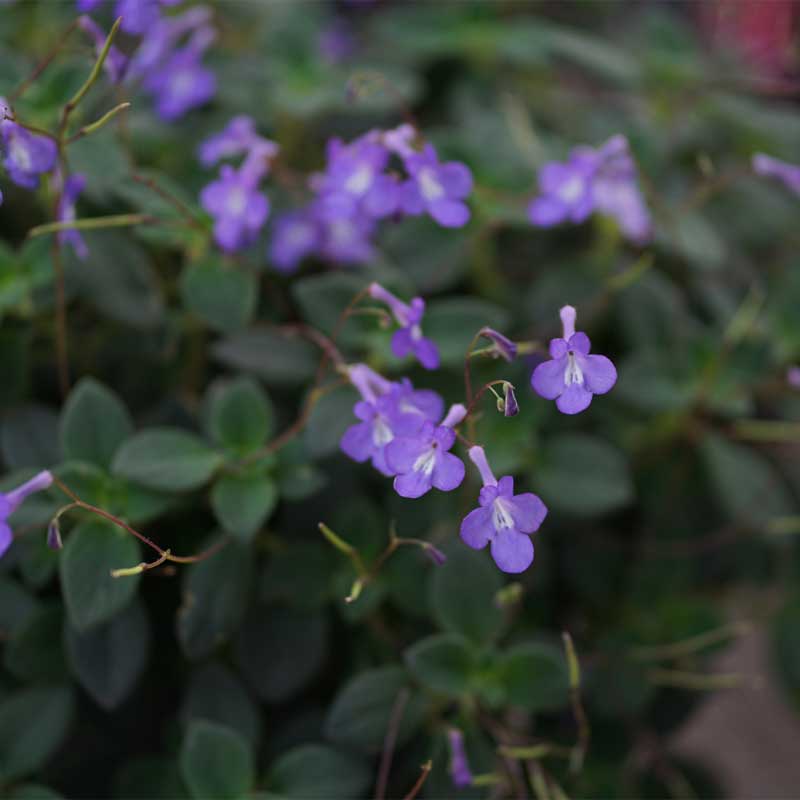
Browallia produces star-shaped flowers in blue-violet or white and does well in dense shade. Ideal for beds or containers, it prefers consistently moist, well-drained soil.
Partial Shade
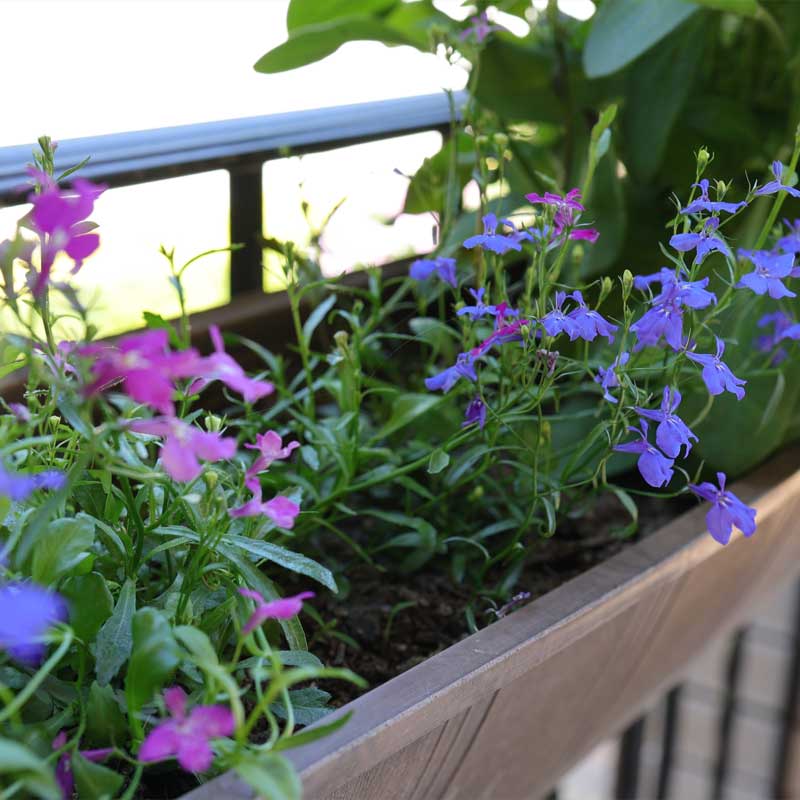
Lobelia is another eye-catcher. This annual produces small flowers in blue, white, or pink, making it great for borders or hanging baskets. It prefers moist, well-drained soil and can tolerate partial shade. For continuous blooming, remove spent flowers regularly.
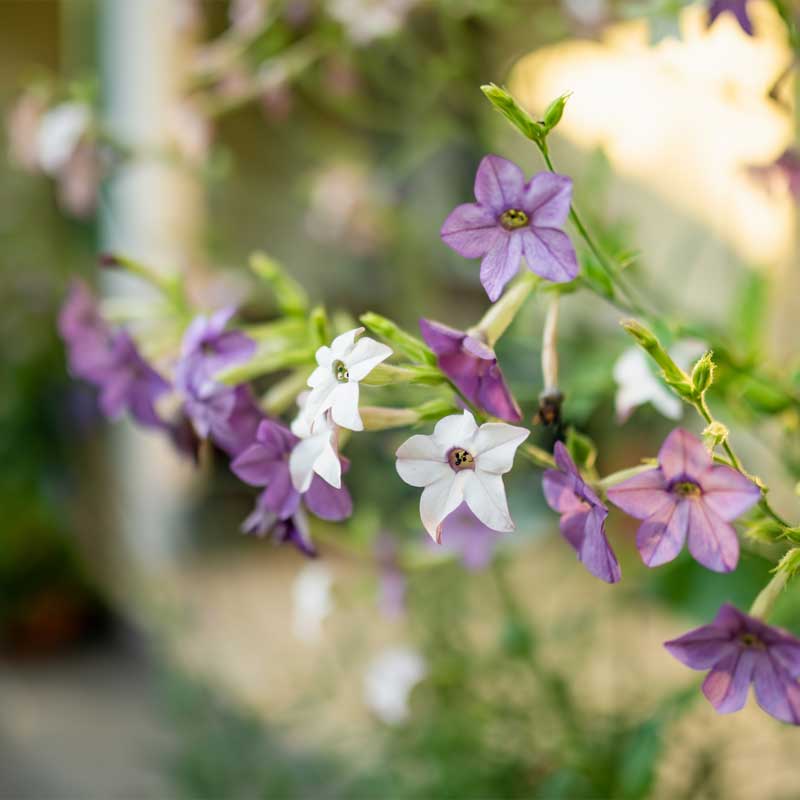
Also known as flowering tobacco, Nicotiana produces fragrant, tubular flowers that attract pollinators. It adapts well to partial shade. Start seeds indoors a few weeks before the last frost for summer blooms.
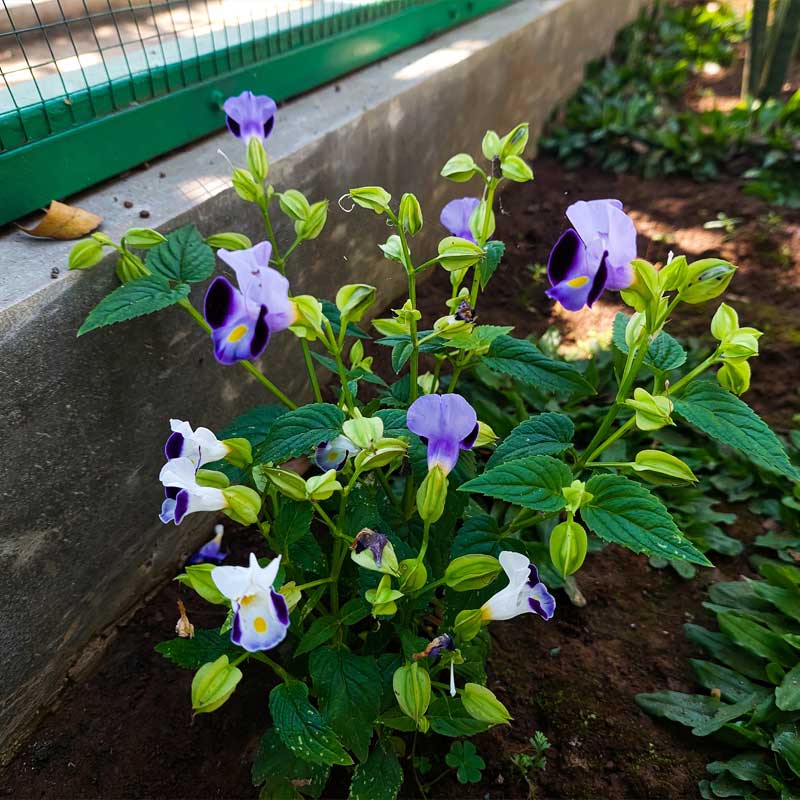
Torenia, sometimes called the wishbone flower, blooms in trumpet-shaped blossoms in vibrant shades of blue, purple, and pink. It thrives in partial shade in rich, moist soil and is perfect for shaded containers or borders.
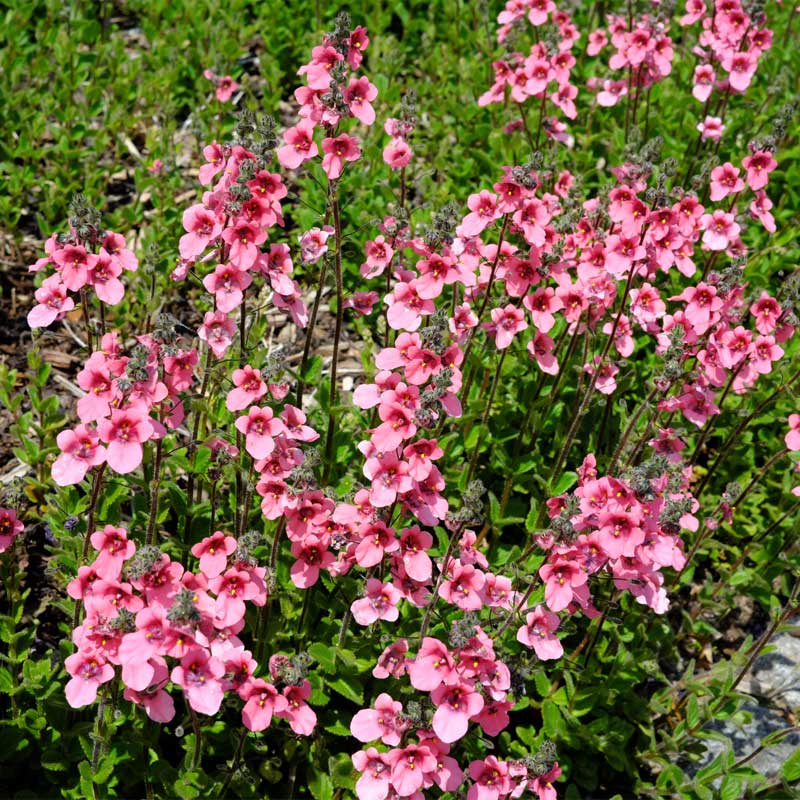
Diascia features delicate blooms in shades of pink, salmon, orange, or white. It does well in partial shade and flowers throughout the summer. Plant it in rich, well-drained soil and water regularly.
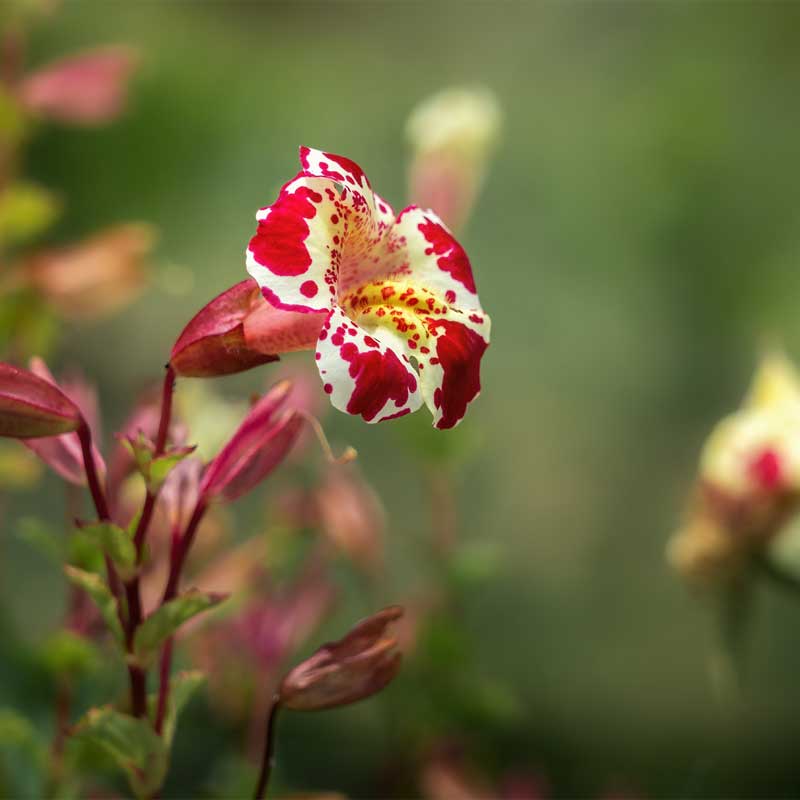
Mimulus, or monkey flower, produces snapdragon-like blooms in yellow, orange, red, or speckled varieties. These plants love cool, moist environments and partial shade. Enrich the soil with compost to promote continuous flowering.
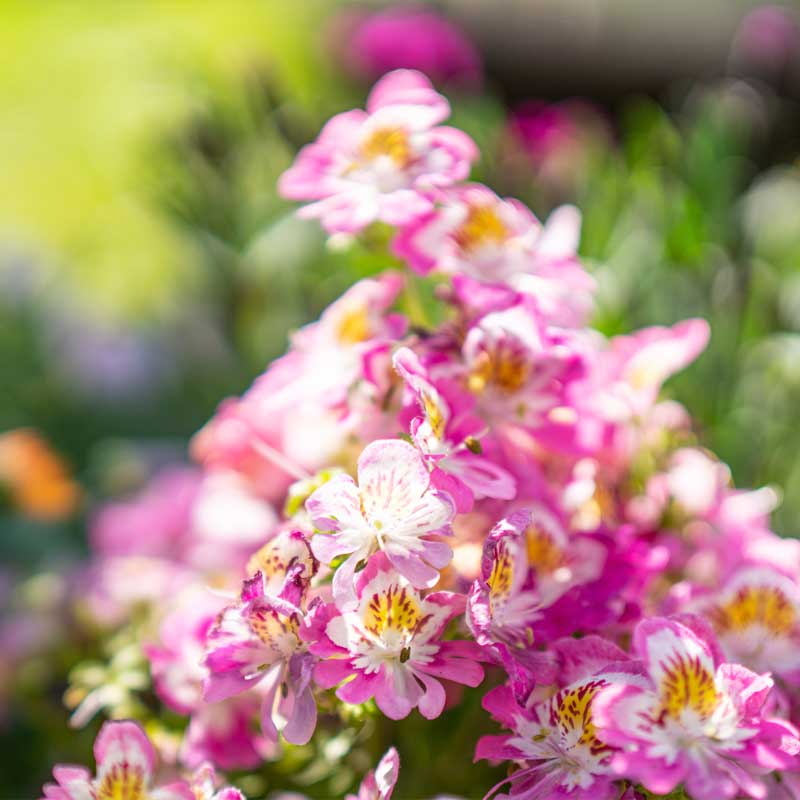
Schizanthus, also known as the poor man’s orchid, produces delicate, multicolored flowers resembling miniature orchids—perfect for semi-shaded areas.
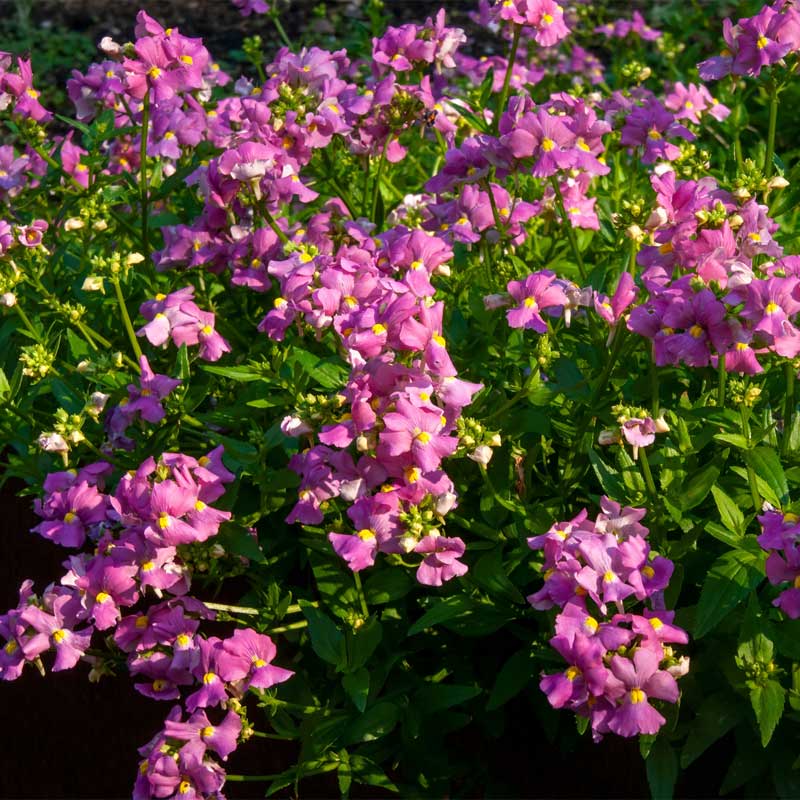
Nemesia is ideal for shady flowerbeds and is easily recognized by its abundant blooms in bold shades of yellow, pink, red, purple, or white. A light trim will help encourage a second wave of flowers.
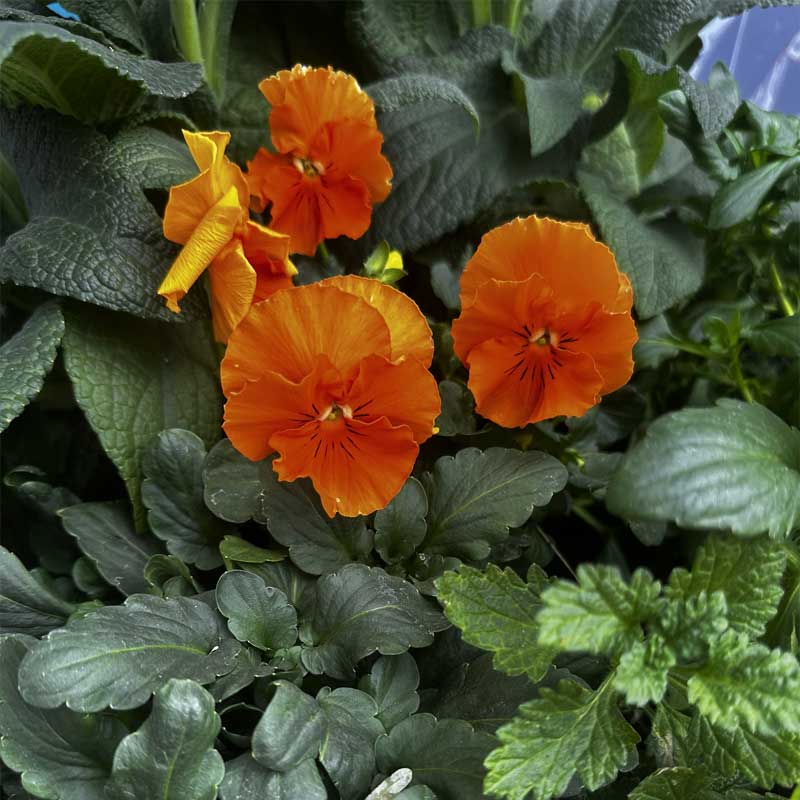
Summer pansies offer large, colorful flowers with striking patterns and are well-suited to partial shade.
Many other plants, technically perennials in warmer climates, are grown as annuals here because they can’t survive our cold winters.
Check out our product catalog to discover more shade-tolerant plants and start planning your dream garden today!